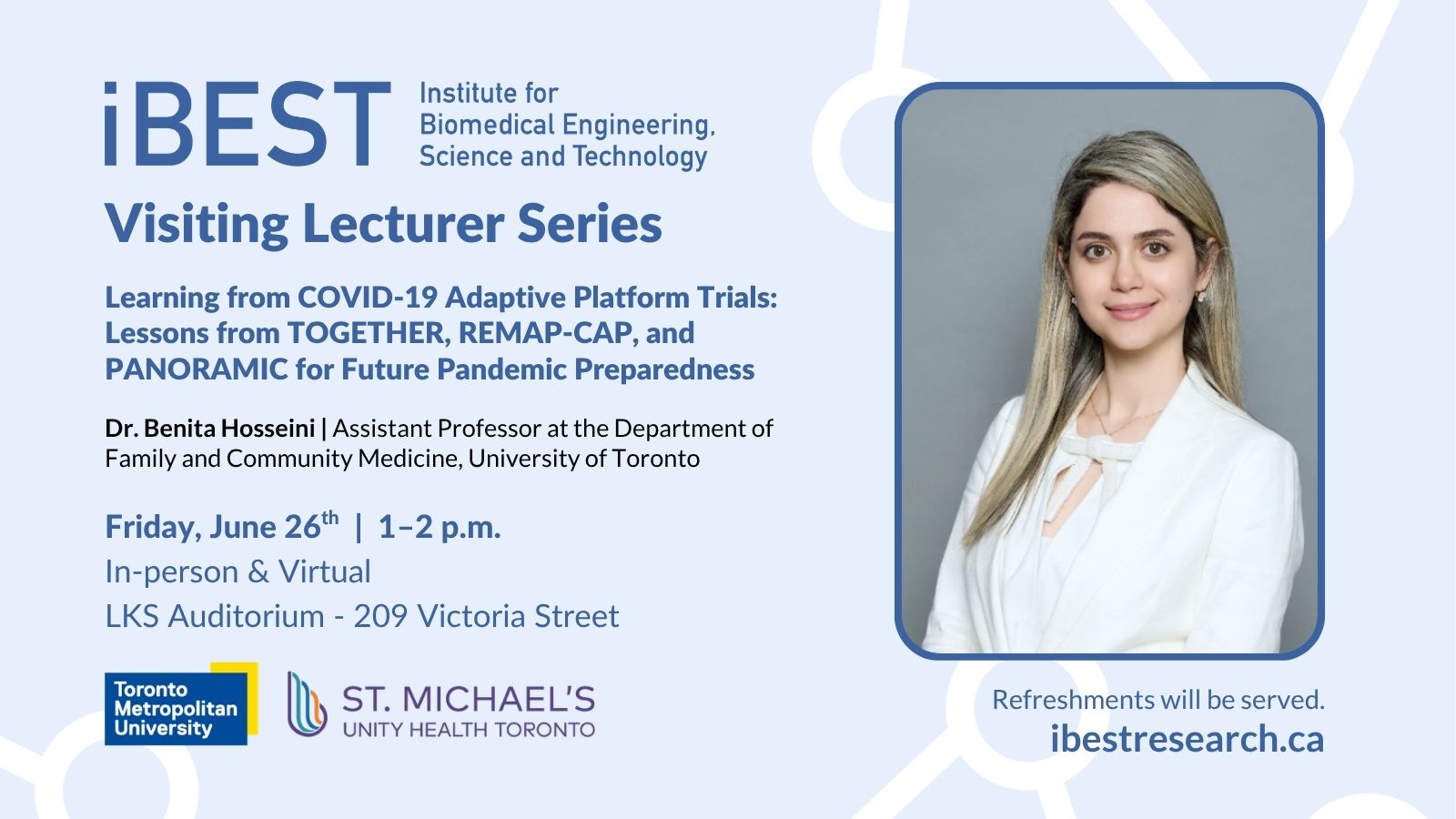
Learning from COVID-19 Adaptive Platform Trials: Lessons from TOGETHER, REMAP-CAP, and PANORAMIC for Future Pandemic Preparedness
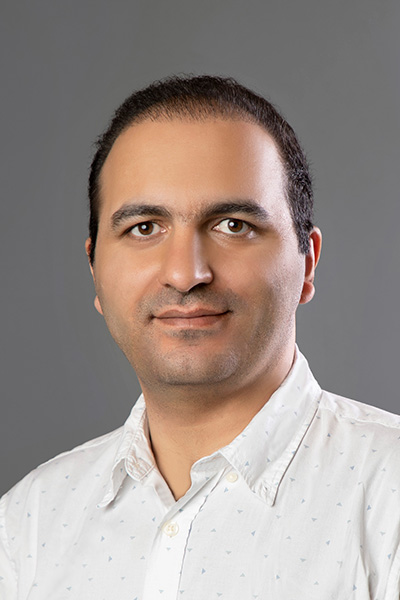
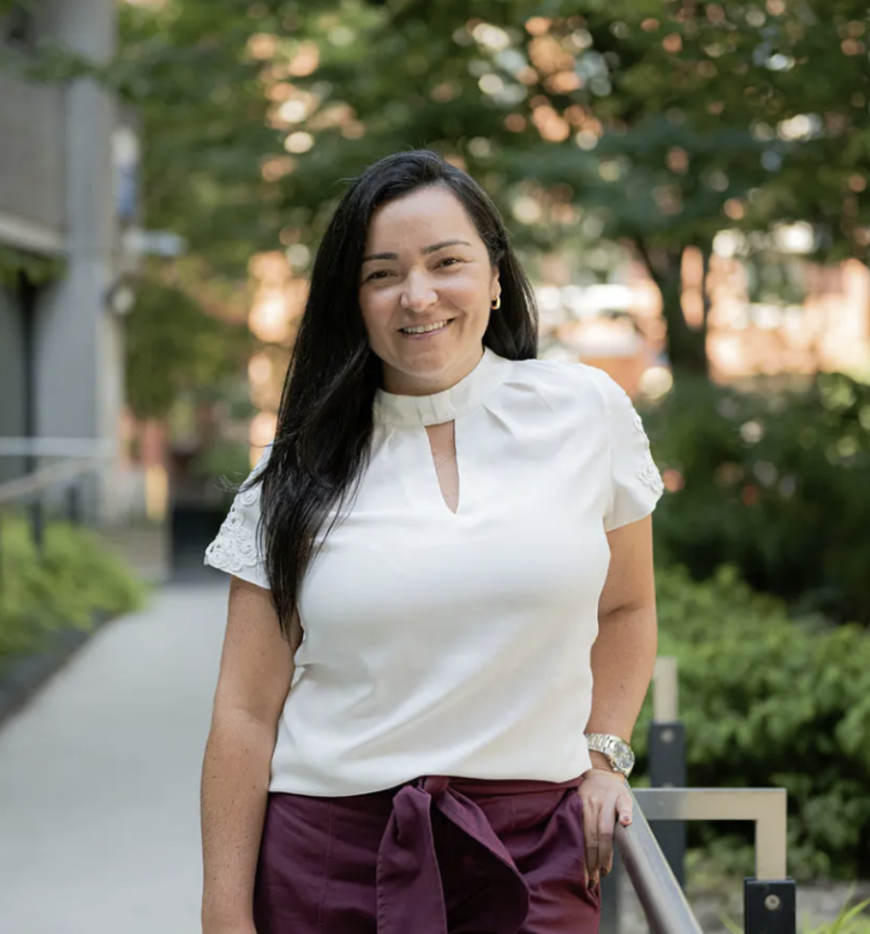
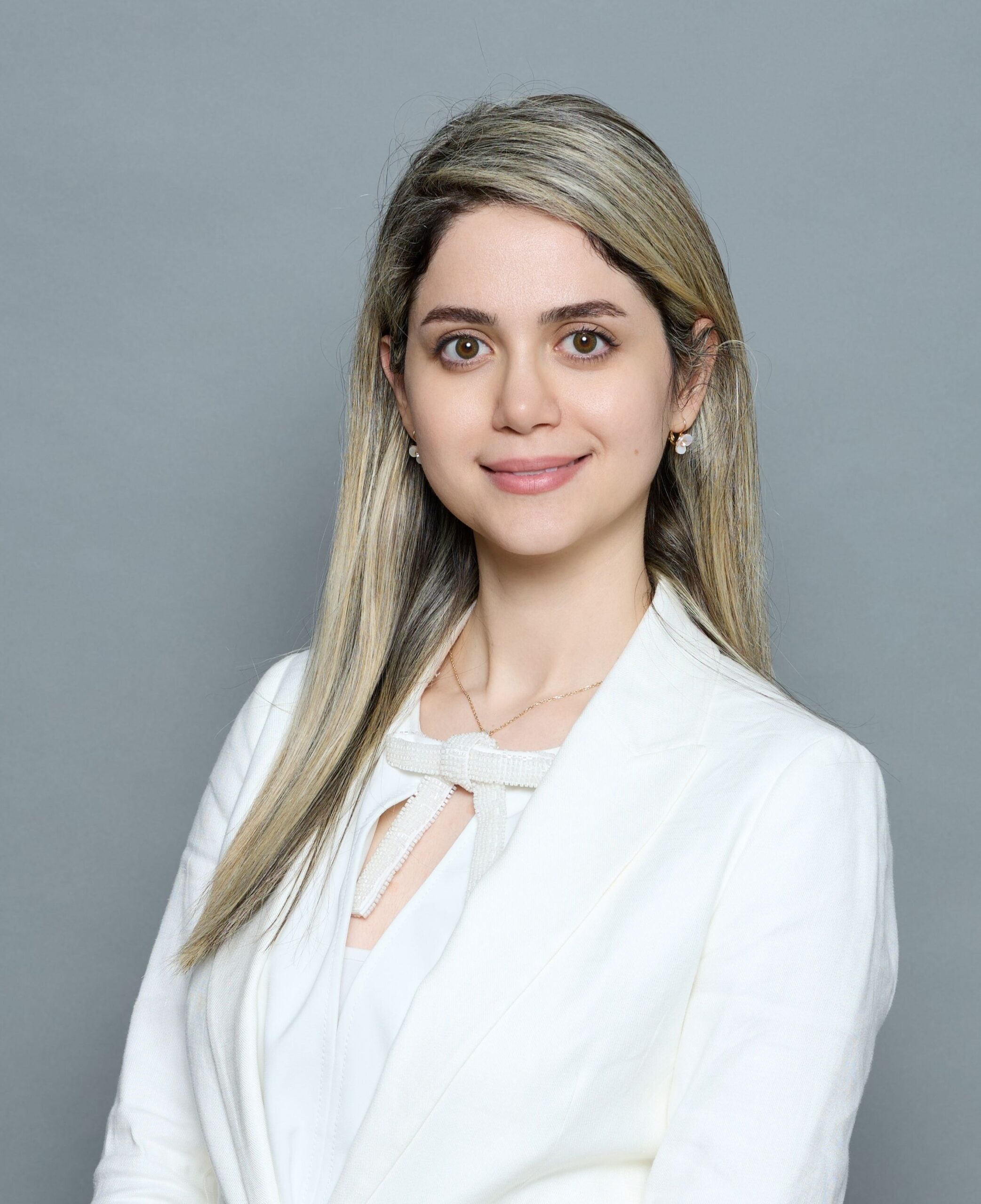
Dr. Benita Hosseini
Assistant Professor in the Department of Family and Community Medicine at University of Toronto
Date: Friday, June 26, 2026
Time: 1–2 p.m. EDT
Location: In-person and virtual
LKS Auditorium – 209 Victoria Street, and via Zoom
Lecture Takeaways
The main takeaways are as follows:
- Adaptive platform trials can help researchers answer urgent health questions faster by testing multiple treatments within one flexible trial structure
- Lessons from major COVID-19 trials, including TOGETHER, REMAP-CAP, and PANORAMIC, can help us build stronger research platforms before the next pandemic or health emergency
- Future preparedness depends not only on good trial design, but on strong partnerships, clear governance, practical recruitment pathways, and trial infrastructure that stays active between emergencies
Biography
Dr. Banafshe (Benita) Hosseini is a Research Scientist at the Upstream Lab, MAP Centre for Urban Health Solutions, Li Ka Shing Knowledge Institute, and an Assistant Professor at the Department of Family and Community Medicine and the Dalla Lana School of Public Health at the University of Toronto.
Her research focuses on pandemic preparedness, incorporating adaptive platform trials to evaluate treatments for respiratory infections, implementing diagnostic tools to enhance early detection and monitoring, and applying the One Health approach to address the interconnected challenges across human, animal, and ecosystem health.
Benita’s work also explores the use of artificial intelligence (AI) and machine learning (ML) to predict health outcomes, improve healthcare system efficiency, and inform early warning systems for respiratory infections. She is committed to advancing health equity and understanding the role of social determinants of health (SDoH) in shaping health outcomes. Her research examines how individual and neighborhood-level factors contribute to health inequities and works to address barriers to care, particularly for vulnerable populations.
No sign-up is required. For more information, contact the iBEST coordinator at ibest@torontomu.ca.