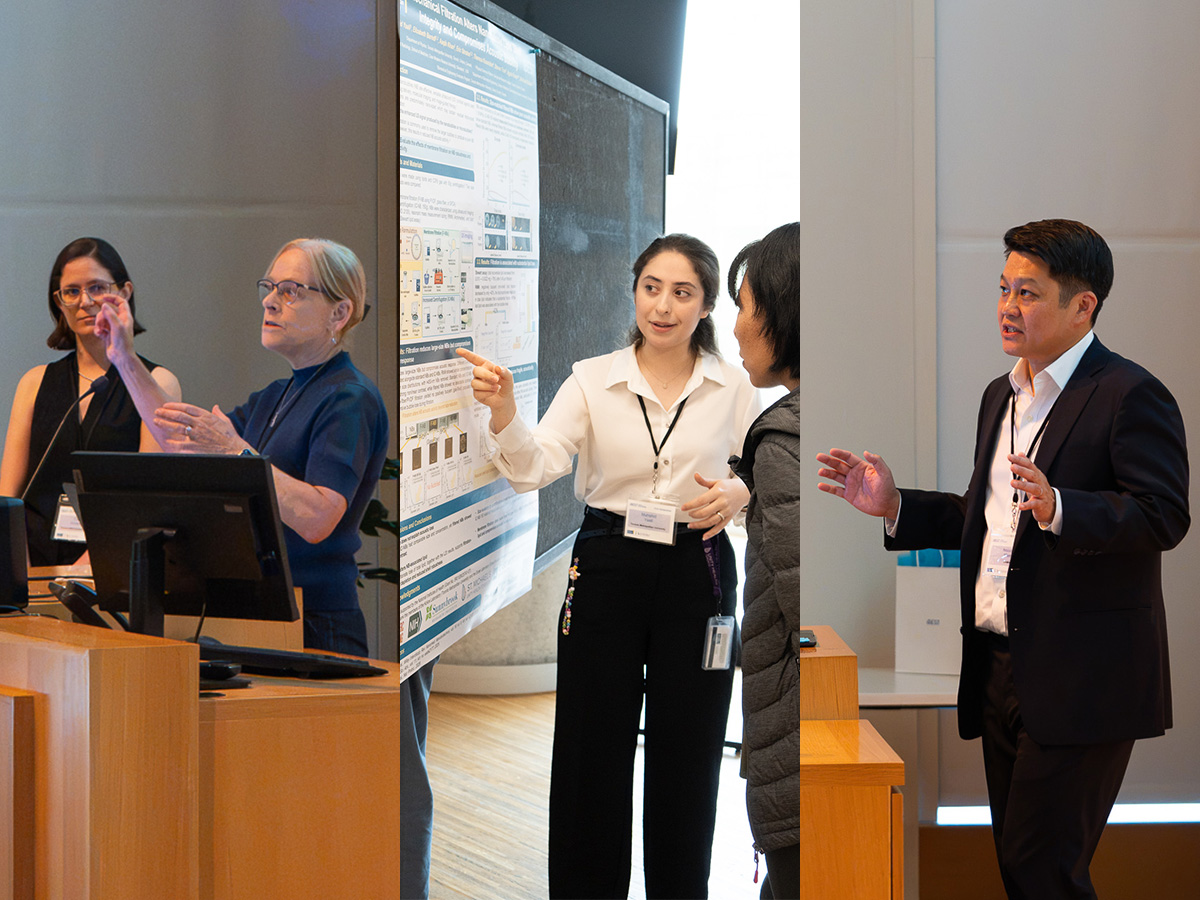
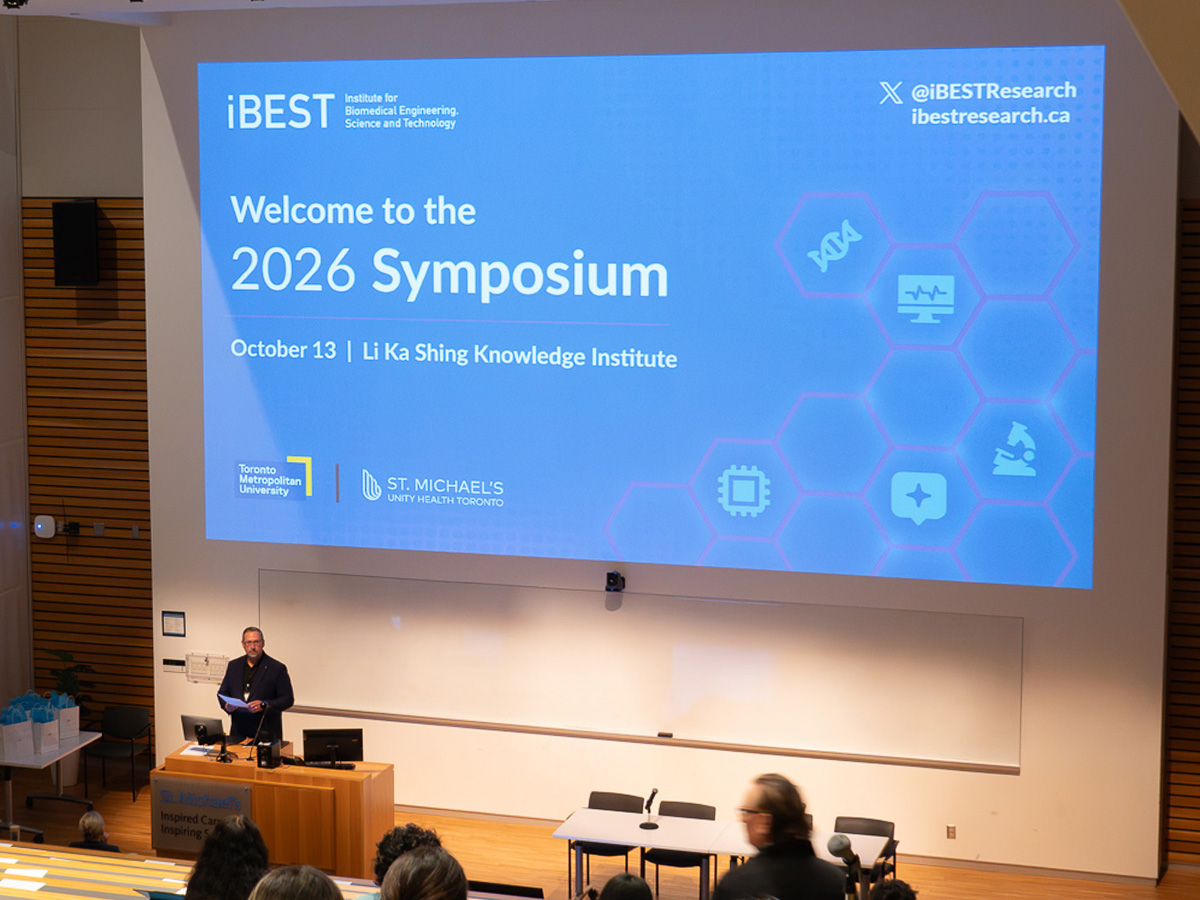
The 2026 Institute for Biomedical Engineering, Science and Technology (iBEST) Symposium, held on October 13, brought together researchers, clinicians, industry professionals and trainees to explore advances in biomedical innovation, with a focus on AI-enabled biomedical technologies and clinical and scientific applications.
A collaboration between Toronto Metropolitan University (TMU) and St. Michael’s Hospital, Unity Health Toronto, iBEST connects science and engineering researchers with clinicians to develop health-care innovations with real-world impact.
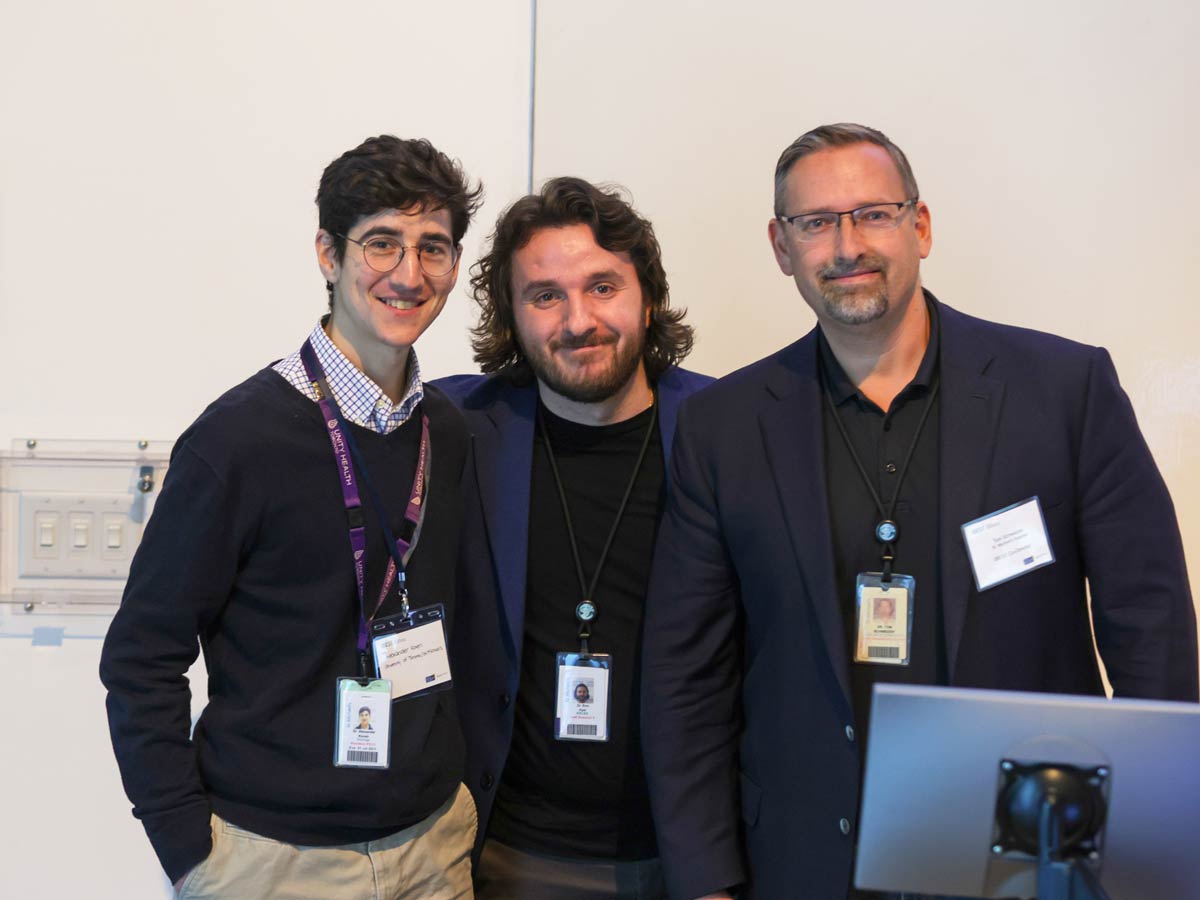
Dr. Tom Schweizer, Scientific Director, Brain Health and Wellness Pillar at the Keenan Research Centre, St. Michael’s Hospital, opened the event by underscoring the symposium’s timely theme and iBEST’s commitment to developing the next generation of researchers and innovators.
“AI is rapidly changing biomedical research and health care, from scientific discovery and technology development to clinical decision-making and patient care,” he said. “Bringing together researchers, clinicians and technology experts to explore these opportunities, while shining a spotlight on our trainees, is very much at the heart of what iBEST does.”
In her opening remarks, Dr. Michelle Chretien, TMU’s assistant vice-president, research partnerships and commercialization, highlighted how iBEST collaborations advance innovation and entrepreneurship. She mentioned the proposal to establish the Centre for Health Equity Research and Brain Body Science, led by TMU psychology professor M. Natasha Rajah, Canada Research Chair in Sex, Gender and Diversity in Brain Health, Memory and Aging and Dr. Schweizer.
Dr. Chretien also noted a venture lift grant secured through the iBEST-BioHubNet partnership for Fertilide, a company founded by TMU postdoctoral fellow Narjes Allahrabbi that addresses male-factor infertility. Also highlighted was biomedical engineering alumna Stephanie Buryk-Iggers, whose iBEST training helped her launch Sparked Inc., a company developing a saliva-based cardiovascular screening device that aims to deliver results in under 10 minutes.
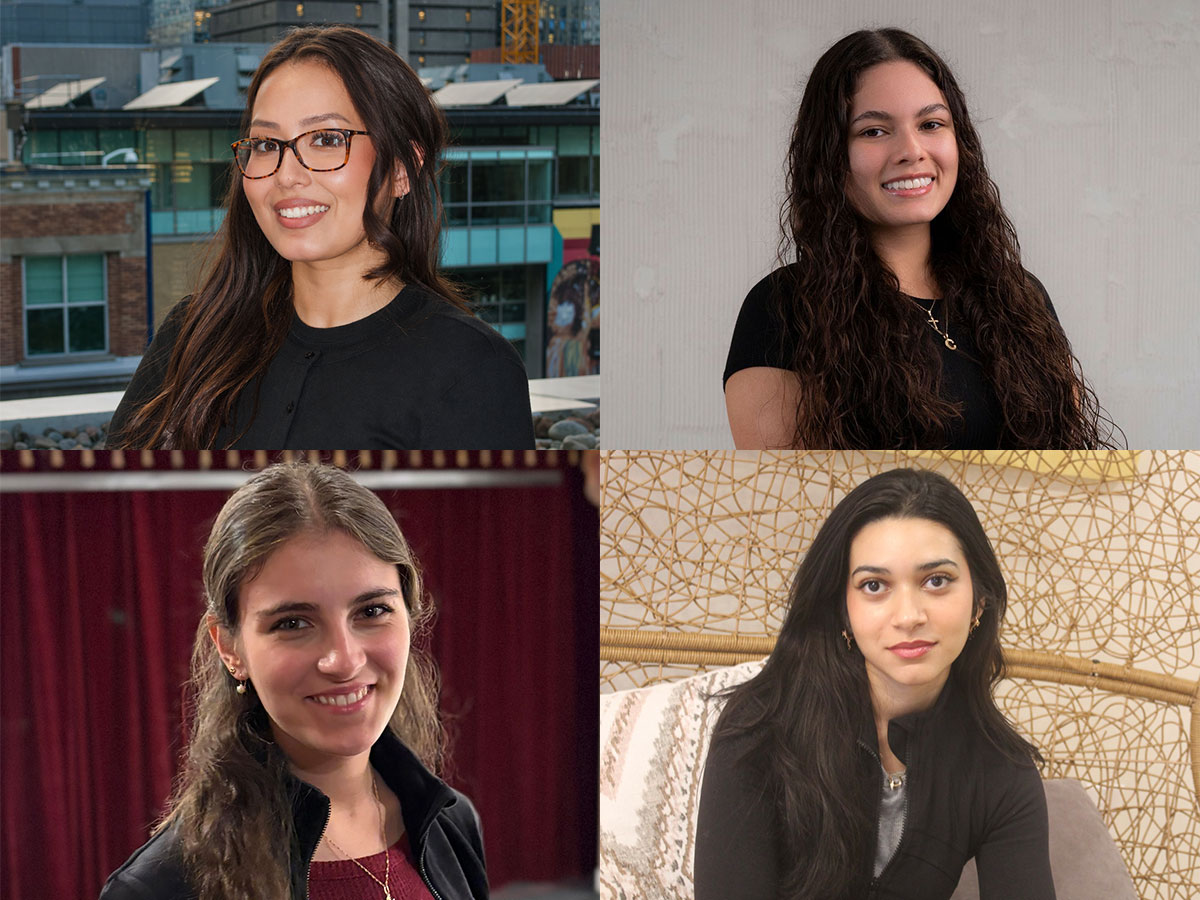
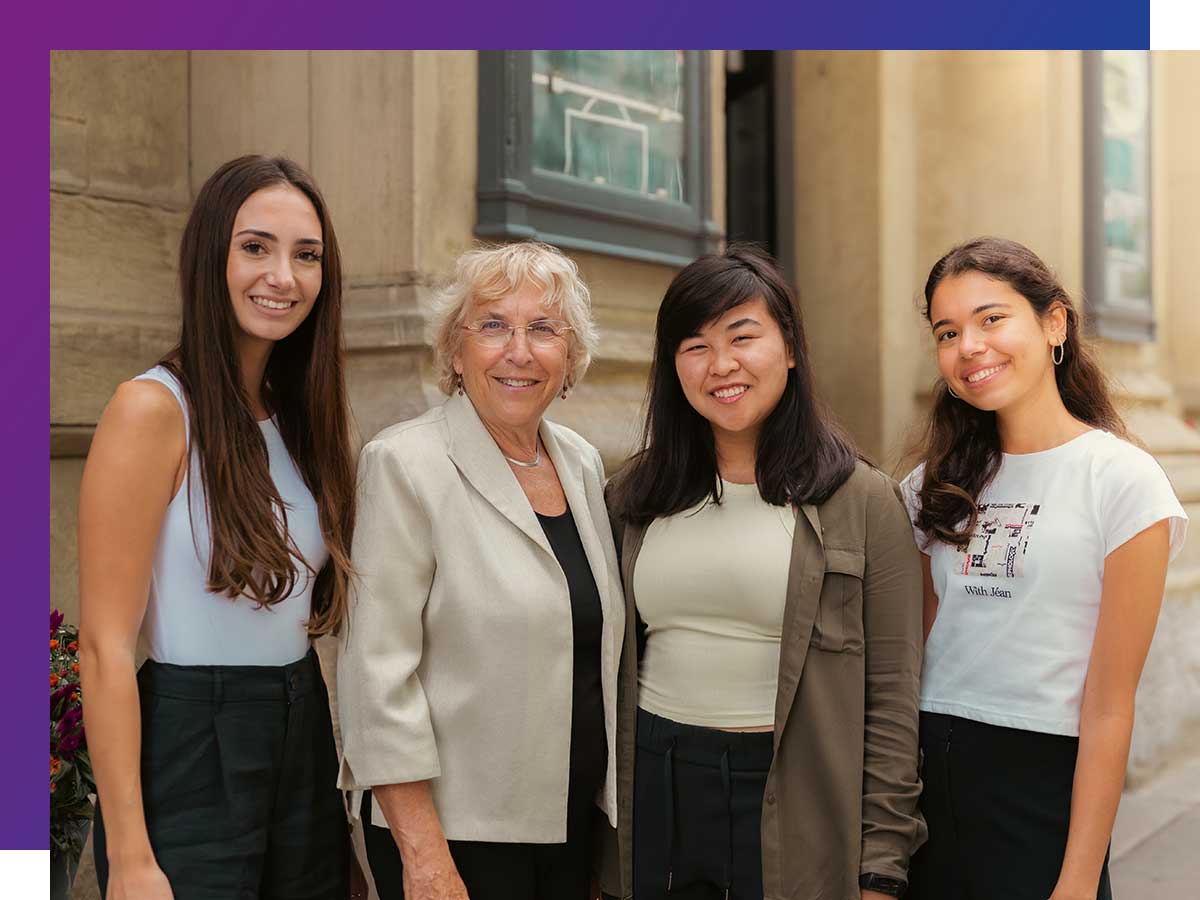
Dr. Ori Rotstein, Vice President of Research and Innovation at Unity Health Toronto, showcased this year’s fifth Women in STEM summer research program, which supports four undergraduate students working in iBEST’s research environment. He also encouraged attendees to use the symposium to learn and build connections.
“Coming together and learning what each other is doing is an incredible way to learn new things, but also to network and think a little bit more broadly about your own research,” he said.
Featured speakers and panels
Featured presentation: Recent advances in fetal MRI
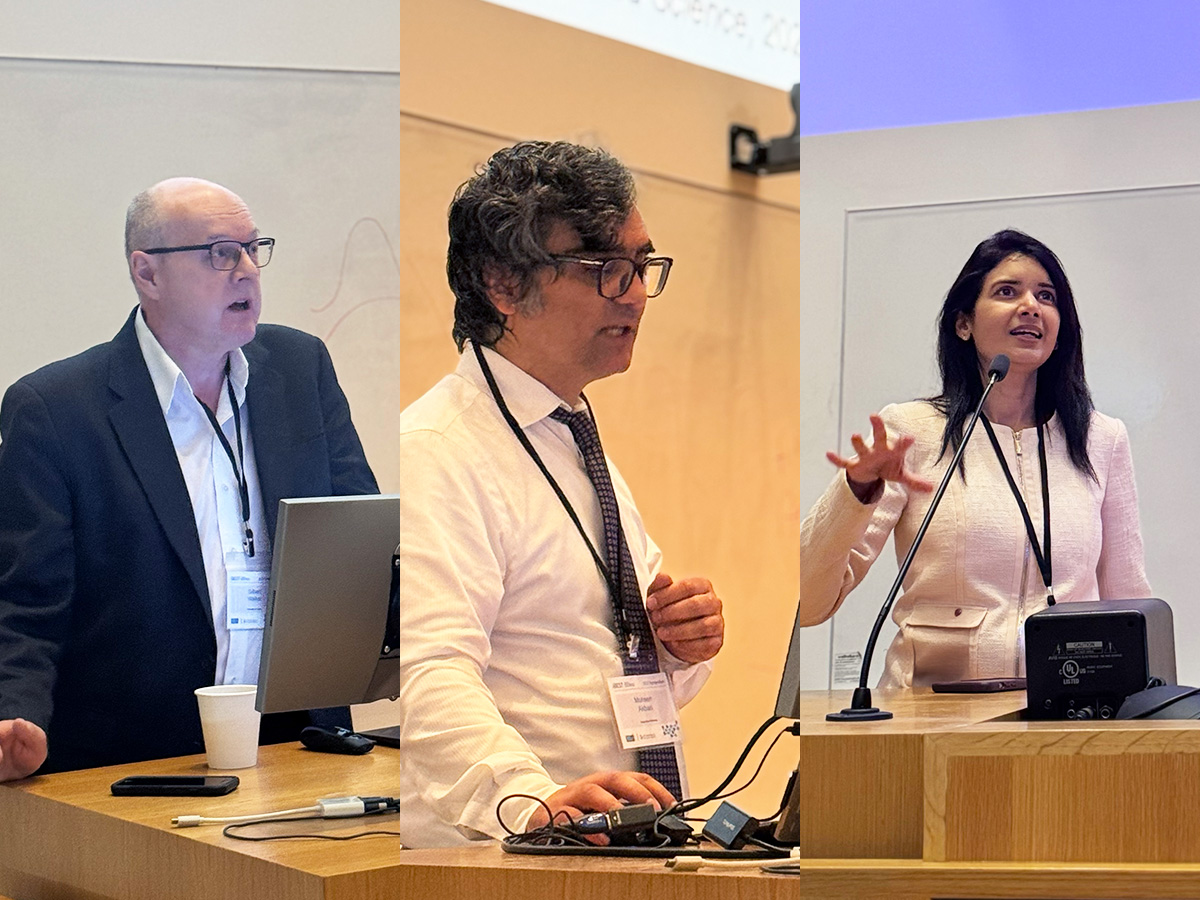
The first featured speaker, Dr. Ellen Grant, is the Käthe Beutler Professor of Pediatrics and a Professor of Radiology at Harvard Medical School. She presented research outlining advances in fetal MRI, describing efforts to make pregnancy MRI scans safer, clearer and less time-consuming.
She noted that fetal movement can require repeated scans and create gaps in image coverage. “How can we acquire images in the way that is most effective … making sure we don’t miss sampling any part of the brain?” Her team is developing AI tools that can adjust for a moving baby and help capture more complete images with fewer repeat scans.
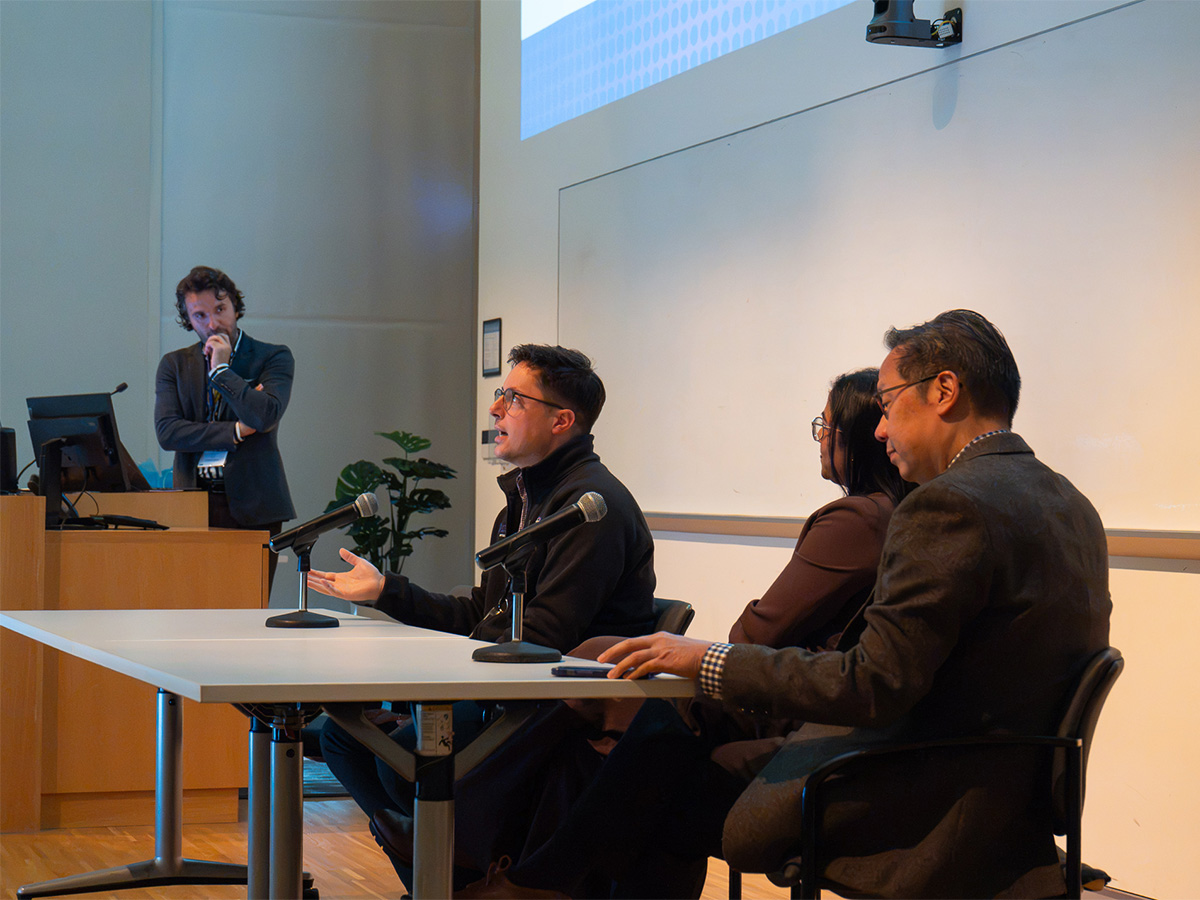
Panel discussion: Clinical problems
Dr. Eno Hysi, a TMU graduate and staff scientist and Canada Research Chair at Unity Health Toronto, facilitated the first panel, which discussed clinical challenges and unmet needs in general internal medicine and ophthalmology.
“The hope of this panel is to spark ideas for research, technology and collaboration,” said Dr. Hysi.
Panellists included Dr. Michael Colacci, assistant professor in the Department of Medicine at the University of Toronto, Dr. Niro Sivachandran, retina specialist at the Toronto Retina Institute and Dr. Howard Leong-Poi, Medical Director, Heart, Lung & Vascular Program at St. Michael’s Hospital.
Dr. Colacci highlighted the post-discharge patient monitoring gap, noting that about one in 10 general medical patients are readmitted within 30 days, often because clinicians lack real-time data to monitor recovery at home. “We don’t always know at what point their recovery stops and their deterioration begins, and therefore when it would be optimal to intervene on that patient.”
Feature presentation: Human-centred AI initiatives
The afternoon session began with Dr. Nelson Shen’s presentation, “Human-Centred AI Innovation.” A staff scientist with the Krembil Centre for Neuroinformatics at the Centre for Addiction and Mental Health and an assistant professor at the University of Toronto’s Dalla Lana School of Public Health, Dr. Shen spoke about how good health innovation sits at the intersection of desirability, viability, feasibility and responsibility. To ensure these criteria are met, he said new technologies must abide by enforceable standards, provide clear information about how any collected data will be used, offer trusted and reliable output and have human oversight.
“It’s something people need to be able to see,” Dr. Shen said. “Oftentimes, these (technologies) are hidden in the background, and we need to be more transparent.”
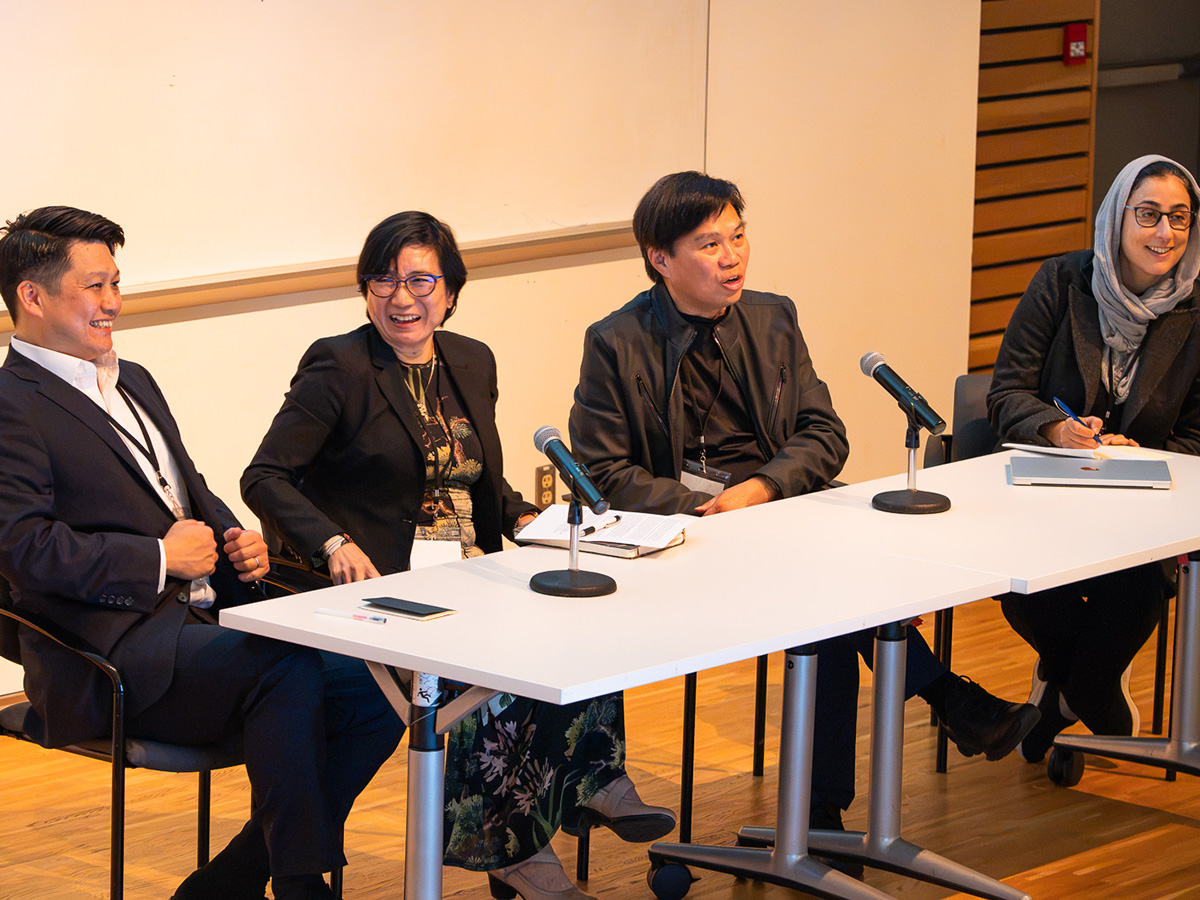
Panel discussion: AI considerations
Dr. Shen also participated in the final panel, “AI Considerations,” moderated by TMU professor of electrical, computer, and biomedical engineering Faezeh Ensan. Dr. Shen was joined by Dr. Chi-Ming Chow, staff cardiologist and director of the Echocardiography Laboratory at St. Michael’s Hospital, and Dr. Emily Seto, an associate professor at the University of Toronto’s Institute of Health Policy, Management and Evaluation.
Dr. Chow explained how he developed a local AI model to securely create and store patient note summaries. He also uses AI to translate health-related information into Cantonese and Mandarin for the 60 per cent of his patients who primarily speak those languages.
“I believe AI brings a better future,” Dr. Chow said. “I believe it will make us super doctors if we use it correctly, but human guidance and supervision are really important. Patient privacy is extremely important, and security is very important.”
Trainee competitions
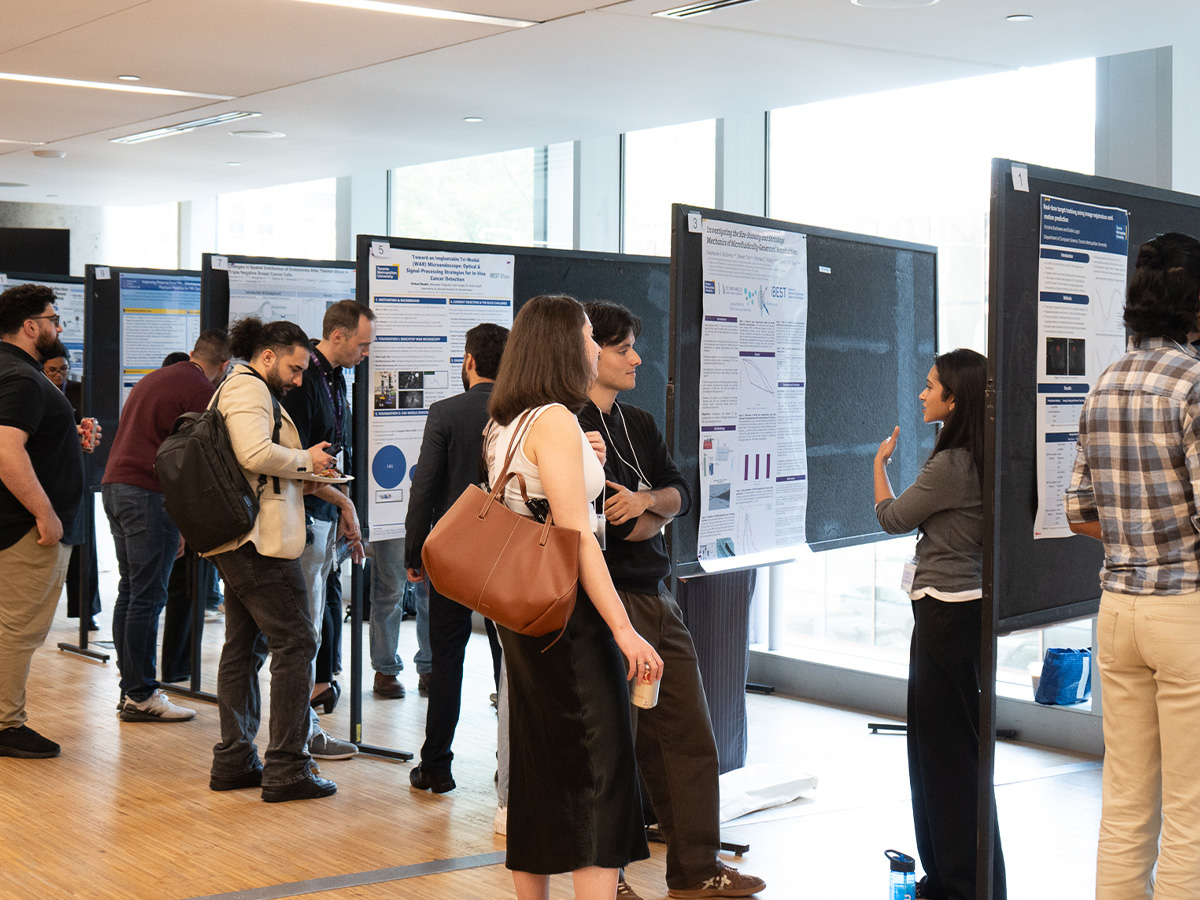
The symposium also highlighted trainee development through lightning talks, poster competitions and alumni networking events.
Trainee Lightning Talks
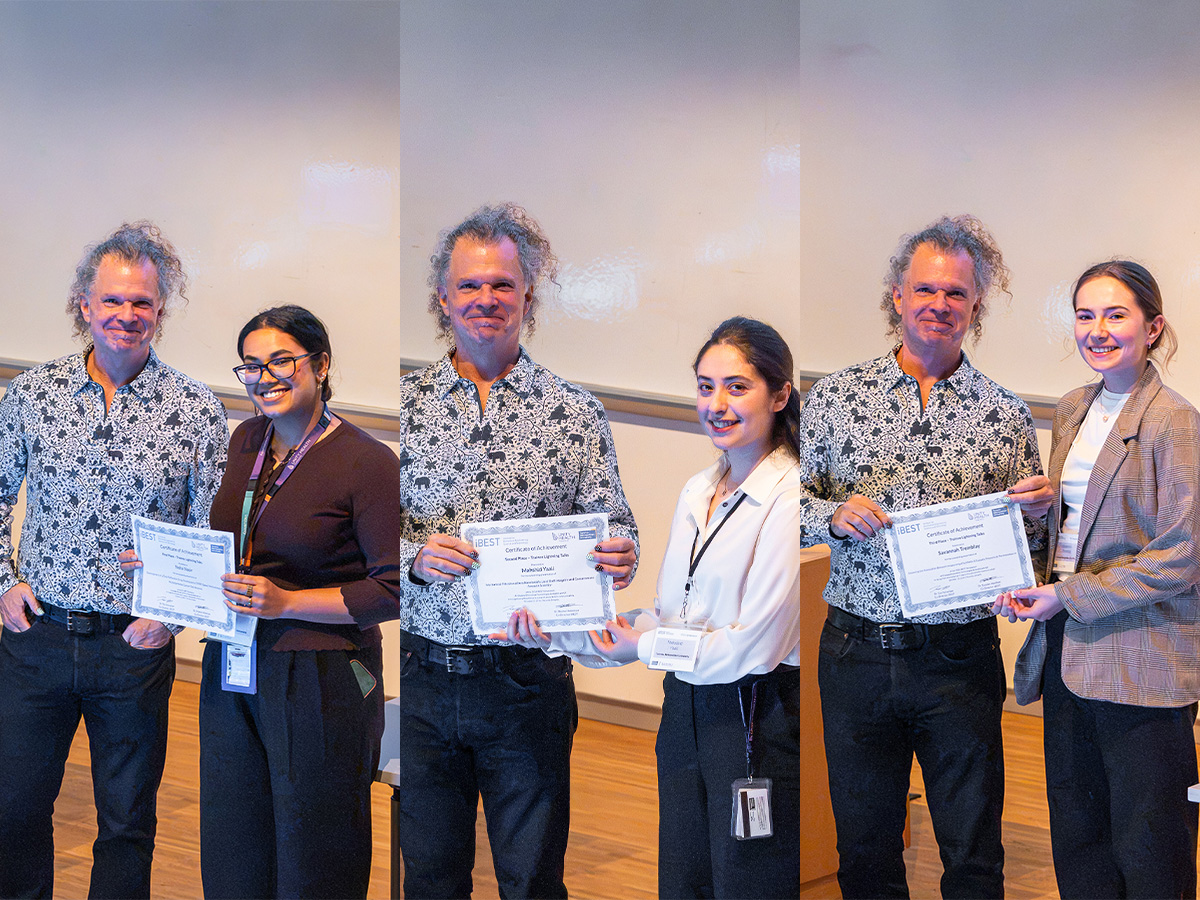
Trainee Lightning Talks support the next generation of trainees to develop leadership skills and communicate ideas in a clear, engaging and impactful way. Each participant had three minutes and two slides to present their research project’s objectives, methods and outcomes. Votes for the best presentation were cast by symposium attendees.
The trainee lightning talks competition winners were:
First place: Neha Nasir, a TMU medical physics PhD candidate, presented “Development of a Total Reflection X-ray Fluorescence (TXRF) Based Methodology for Multielemental Cancer Cell Analysis.”
Second place: Mahshid Yaali, a TMU biomedical physics PhD candidate, presented “Mechanical Filtration Alters Nanobubble Lipid Shell Integrity and Compromises Acoustic Stability.”
Third place: Savannah Tremblay, a PhD candidate at the University of Toronto, presented “Exploring the Association Between Hippocampal Subfields and Episodic Memory at Perimenopause.”
Trainee Poster Competition
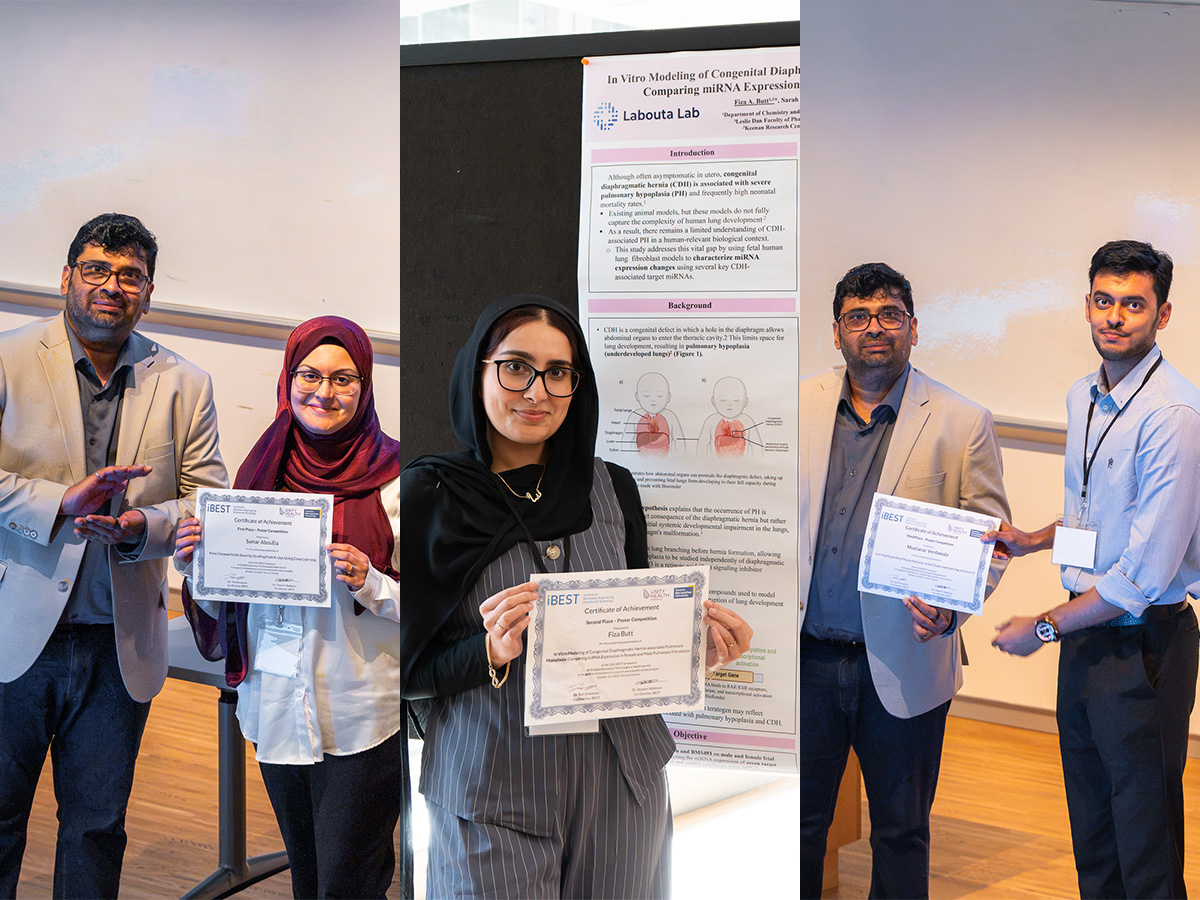
The trainee poster competition winners were:
First place: Samar AbouEla, a TMU master’s graduate in electrical, computer, and biomedical engineering, presented her independent project, “Knee Osteoarthritis Severity Grading from X-rays Using Deep Learning.”
Second place: Fiza Butt, a fifth-year TMU biomedical science student, presented “In Vitro Modeling of Congenital Diaphragmatic Hernia-associated Pulmonary Hypoplasia: Comparing miRNA Expression in Female and Male Pulmonary Fibroblasts,” supervised by Unity Health scientist Hagar Labouta.
Third place: Mustansir Verdawala, a second-year TMU biomedical engineering master’s student, presented “Learning Respiratory Muscle Anatomy via Self-Supervised Learning on Chest CT,” supervised by TMU physics professor Miranda Kirby and engineering professor Naimul Khan.
Learn more about the 2026 iBEST Symposium.
Related links
Event recap – 2025 iBEST Symposium focused on biomedical solutions for organ injury